Cover / Survivors / Taxi aircraft
The ones that still move
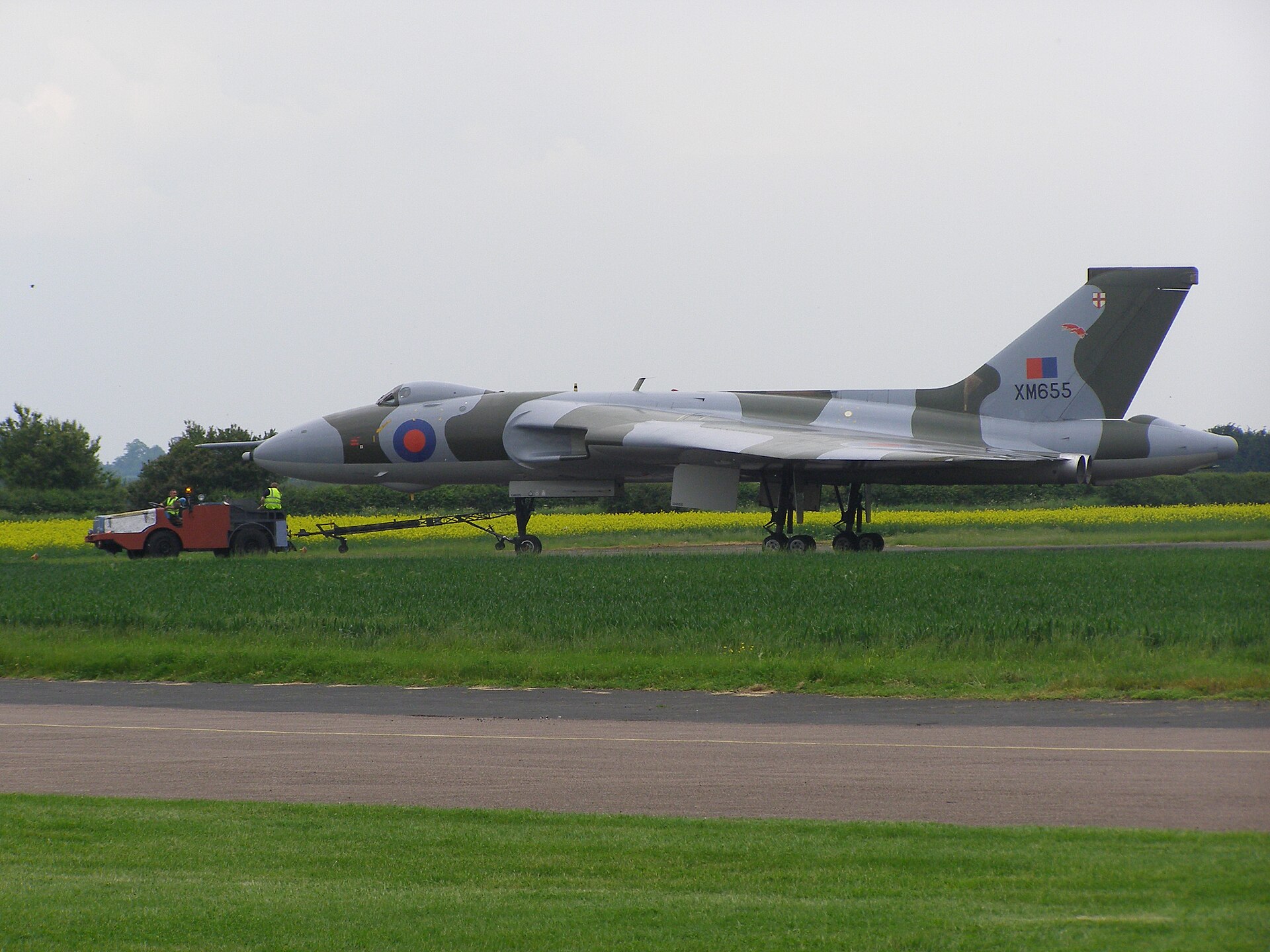
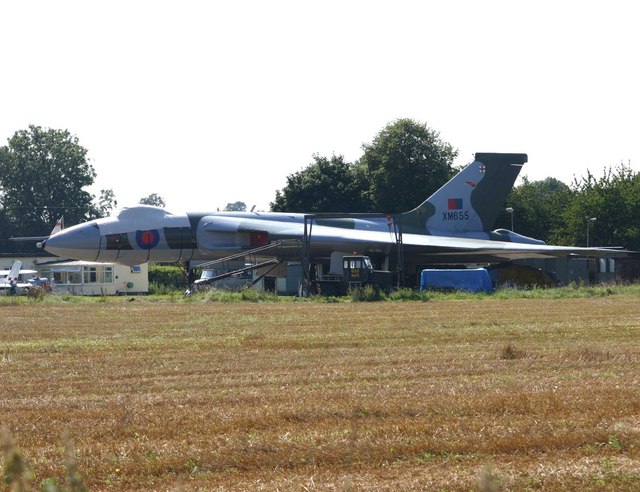
Flying is finished. Rolling is not. Two B.2s are kept as taxi aircraft by volunteer groups who accept a harder, less glamorous job than a flying display: XM655 at Wellesbourne Mountford, looked after by the 655 Maintenance and Preservation Society, and XL426 with the Vulcan Restoration Trust at Southend. Neither will take off. Both will, on advertised days, remind you that a static park exhibit is a different animal. You will feel the runway in your chest. You will not get a display routine. That is still the Olympus argument, minus the altitude.
XM655 first taxied in public again in 1997 after a lost decade. Airfield politics and a pandemic later knocked holes in the calendar; when days do happen they are worth rearranging a Saturday for. XL426 has its own following, its own hangar politics, and its own engineering headaches. Ground running a 1960s bomber without a military supply chain is a slow craft. Spares, tyres, brakes, fuel, insurance, and neighbours who did not ask to live next to four turbojets. The people who do this are not a display team. They are a maintenance organisation that occasionally lets the public watch.
XH558 at Doncaster is the celebrity who no longer flies; she still has engine days when the Trust can make them happen. Gate guardians and museum airframes — XM607 at Waddington, the Cosford and Hendon exhibits, Duxford, East Fortune, Norwich, Newark and the rest — are the Saturday option when no engine is running. Confirm opening hours. Serials move. Boards are sometimes wrong. We keep a visitor bias at A Saturday under the wing. Treat military pans as viewpoints, not picnic sites.
Also in this department
A Saturday under the wing · Spirit of Great Britain · Olympus