Sitting QRA
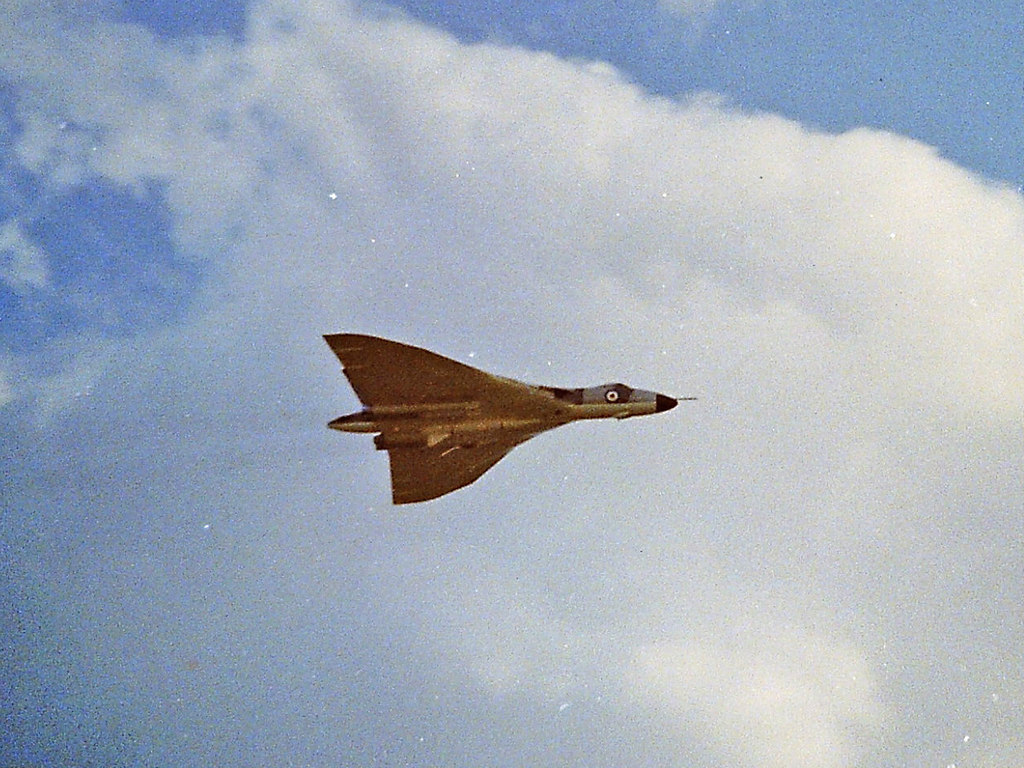
Films love a scramble. The V-Force loved a rota. Quick Reaction Alert was the everyday form of the deterrent: a number of loaded aircraft, crews nearby, a practised sequence that had to work in rain at three in the morning. The political object was simple. A first strike on Waddington, Scampton, Finningley or the rest should not be able to kill the whole argument on the ground. Readiness was the product. Flying into Moscow was the thing that was never supposed to happen.
A QRA crew did not live in a film set. They lived in a caravan, a mess, a dispersal pan, a cycle of generate-and-hold that is boring until it is not. Aircraft were fuelled, systems checked, stores loaded according to the plan of the week. Crews slept in clothes they could run in. Timers and klaxons exist in memory with more glamour than they had at the time. The evaluations — Bomber Command's habit of asking a crew to prove it could still navigate, bomb and defend — mattered more than the photographs. A crew that looked good on the pan but could not read a radar map was not a deterrent. They were a noise.
Dispersal, and the days the news tightened
Famous Lincolnshire runways were not the only baskets. Dispersal airfields existed so that a handful of craters could not finish the force. Generating an aircraft on a strange pan, in weather, with a borrowed ground crew, was part of the trade. So was standing down, which is what almost every hold ended in. That is not a failure. That is a deterrent doing its job. The public saw white deltas at Battle of Britain displays. The actual work was a Saturday night that did not launch.
Readiness states tightened when the news did. Cuba is the week everyone knows. There were other weeks. Crews remember the ones that did not make a documentary: a movement order, a longer sit, a rumour, a stand-down, breakfast. Weapons changed around the same chairs. Free-fall nuclear bombs, then the Blue Steel stand-off round that was supposed to keep the bomber out of the worst of a SAM belt, then WE.177 in a tactical role after Polaris took the national strategic lead in 1969. The human loop did not change much. Generate. Hold. Launch or go home.
If you want the years when height stopped being safety and the same chairs went down into the weeds, see Down in the weeds. If you want the five men who sat in the dark through all of this, the crew page is the better door than a scramble painting.
Also in this department
Down in the weeds · Valiant, Victor, Vulcan · Five in the dark